Imagine this: you’ve just settled onto the couch with a good book and a hot cup of coffee. The last thing you want is the deafening roar of a vacuum cleaner shattering the peace. For years, a deep clean meant a loud disruption. But what if you could have sparkling floors without the noise? This in-depth Quiet Robot Vacuum Review is your guide to reclaiming tranquility in your home. We’re diving deep into the technology that makes whisper-quiet cleaning a reality, helping you find a machine that cleans brilliantly without ever raising its voice.
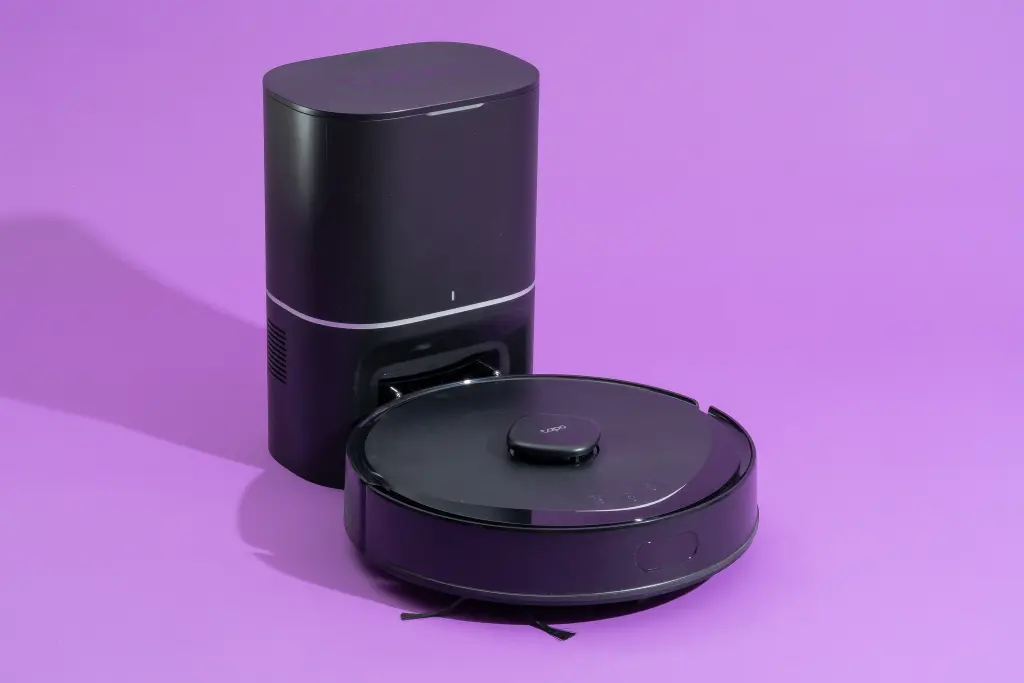
Why a Quiet Robot Vacuum is a Game-Changer
Let’s be real, traditional vacuums are loud. They operate at around 75-85 decibels (dB), which is comparable to a garbage disposal or a busy street. It’s not just annoying; it can disrupt phone calls, wake a sleeping baby, or send your pets scurrying for cover. A quiet robot vacuum, on the other hand, operates at a much more civilized volume, often between 50-65 dB. That’s the difference between a loud conversation and a gentle hum. This means you can run it anytime—while you’re working from home, watching a movie, or even overnight—without it ever becoming a nuisance.
How Do Quiet Robot Vacuums Work Their Magic?
How can a machine powerful enough to suck up pet hair and cereal crumbs operate so silently? The secret lies in a combination of clever engineering and advanced technology.
These robots achieve their low noise levels primarily through sophisticated brushless motors and advanced insulation. Unlike older, clunkier motors, modern brushless designs have fewer moving parts, which drastically reduces friction and, consequently, noise. It’s like the difference between a creaky old fan and a high-tech, silent air purifier.
“The biggest leap in noise reduction for robot vacuums came with the widespread adoption of high-efficiency brushless DC motors. They’re not only quieter but also more durable and energy-efficient, allowing for a powerful clean without the racket of their predecessors.” – Dr. Evelyn Reed, Smart Home Technology Analyst
Smart Navigation: The Brains of the Operation
A quiet motor is only half the battle. A robot that constantly bumps into furniture isn’t very peaceful, is it? That’s where smart navigation comes in.
- LiDAR (Light Detection and Ranging): This is the gold standard. Using a spinning laser turret, the robot creates an incredibly accurate map of your home. It knows exactly where it is, where it’s been, and where it needs to go. This means efficient, methodical cleaning paths and less time spent aimlessly bumping around. Think of it as a tiny, self-driving car for your floors.
- VSLAM (Visual Simultaneous Localization and Mapping): This technology uses a camera to identify landmarks in your home—like furniture, doorways, and wall art—to build a map. While generally very effective, VSLAM-based robots can struggle in low-light conditions.
A robot with great navigation doesn’t just clean more effectively; it cleans more quietly by moving with purpose and avoiding unnecessary collisions.
Key Features in Our Quiet Robot Vacuum Review
When you’re searching for the perfect silent cleaning companion, a few key specifications will tell you most of the story.
Decibel (dB) Ratings: The Language of Silence
The decibel rating is the single most important number in your search. Here’s a quick breakdown of what those numbers actually mean in your home:
- 50-55 dB: Whisper-quiet. This is about the level of a quiet library or a modern refrigerator. You’ll barely notice it’s running.
- 56-65 dB: Still very quiet. This is comparable to a normal conversation or an electric toothbrush. You can easily watch TV or talk on the phone with it in the same room.
- 66-70 dB: Noticeable, but not intrusive. This is where many robot vacuums with high suction settings land. It’s significantly quieter than a traditional upright vacuum.
Pro tip: Many models have a “Quiet Mode” that reduces suction power and fan speed to lower the decibel level, perfect for late-night cleaning.
Suction Power vs. Noise Level
You might think more power automatically means more noise, but that’s not always the case. Suction, measured in Pascals (Pa), is crucial for deep cleaning, especially on carpets and for picking up pet hair. The best quiet models use advanced airflow engineering to maximize suction without cranking up the motor noise. Look for a robot that offers a good balance—at least 2500 Pa—while maintaining a dB rating under 65.
Other Must-Have Features
- Self-Emptying Bins: A true “set it and forget it” feature. The robot returns to its dock and automatically empties its small onboard dustbin into a larger, sealed bag. The emptying process itself can be loud for about 15-30 seconds, but it’s a small price to pay for weeks of hands-free cleaning.
- Mopping Functionality: Many modern robots are 2-in-1 hybrid models that can both vacuum and mop. Look for systems with vibrating mop pads or spinning brushes for a more effective clean on hard floors.
- Object Avoidance: Advanced sensors and AI-powered cameras help the robot identify and steer around obstacles like shoes, cables, and pet waste. This is a lifesaver for busy, cluttered homes.
Our Picks for the Best Robot Vacuum in 2026
As an Amazon Associate, we earn from qualifying purchases.
Num
Product
Action
1
Shark Robot Vacuum & Mop Combo, Powerful Suction, Matrix Plus, 60-Day Debris Capacity, HEPA Bagless Self Empty Base, Sonic Mopping, Home Mapping for Pet Hair - Carpets & Hardfloor, AV2610WA

2
ILIFE V2 Robot Vacuum Cleaner, Tangle-Free Suction, 120 Mins Runtime, Slim, Self-Charging Robotic Vacuum Cleaner, Ideal for Pet Hair and Hard Floors
3
MONSGA Robot Vacuum and Mop Combo, 5000Pa Robotic Vacuum with 3.5L Self Emptying Station, Lidar Navigation Robot Vacuum Cleaner, 180mins Runtime, APP/Remote/Voice Control, for Hard Floors and Carpets
4
Shark AV753 ION Robot Vacuum, Tri-Brush System, Wifi Connected, 120 Min Runtime, Works with Alexa, Multi Surface Cleaning, Grey
5
ILIFE V2 Robot Vacuum Cleaner, Tangle-Free Suction, 120 Mins Runtime, Slim, Self-Charging Robotic Vacuum Cleaner, Ideal for Pet Hair and Hard Floors
6
Tikom Robot Vacuum and Mop Combo, 5000Pa Robotic Vacuum Cleaner, 150 Min Max, App & Remote Control, Ideal for Hard Floor, Carpet, Pet Hair, Self-Charge(G8000 Max)
7
Shark AV2501S AI Ultra Robot Vacuum, with Matrix Clean, Home Mapping, 30-Day Capacity HEPA Bagless Self Empty Base, Perfect for Pet Hair, Wifi, Dark Grey
8
ILIFE A30 Pro Robot Vacuum and Mop, Self Emptying Station for 60 Days, 5000Pa Suction, LiDAR Navigation, No-Go Zones, 2.4G WiFi/App/Alexa/Remote Control, Roller Brush for Carpet, Hard Floors, 110V
9
Shark AV2501S AI Ultra Robot Vacuum, with Matrix Clean, Home Mapping, 30-Day Capacity HEPA Bagless Self Empty Base, Perfect for Pet Hair, Wifi, Dark Grey
10
Shark Matrix Plus 2in1 Robot Vacuum & Mop with Sonic Mopping, Matrix Clean, Home Mapping, HEPA Bagless Self Empty Base, CleanEdge, for Pet Hair, WiFi, Compatible with Alexa, Black/Gold (AV2613WA)
|
Our Picks for the Best Robot Vacuum in 2026
As an Amazon Associate, we earn from qualifying purchases.
|
||
| Num | Product | Action |
|---|---|---|
| 1 | Shark Robot Vacuum & Mop Combo, Powerful Suction, Matrix Plus, 60-Day Debris Capacity, HEPA Bagless Self Empty Base, Sonic Mopping, Home Mapping for Pet Hair - Carpets & Hardfloor, AV2610WA |
|
| 2 | ILIFE V2 Robot Vacuum Cleaner, Tangle-Free Suction, 120 Mins Runtime, Slim, Self-Charging Robotic Vacuum Cleaner, Ideal for Pet Hair and Hard Floors |
|
| 3 | MONSGA Robot Vacuum and Mop Combo, 5000Pa Robotic Vacuum with 3.5L Self Emptying Station, Lidar Navigation Robot Vacuum Cleaner, 180mins Runtime, APP/Remote/Voice Control, for Hard Floors and Carpets |
|
| 4 | Shark AV753 ION Robot Vacuum, Tri-Brush System, Wifi Connected, 120 Min Runtime, Works with Alexa, Multi Surface Cleaning, Grey |
|
| 5 | ILIFE V2 Robot Vacuum Cleaner, Tangle-Free Suction, 120 Mins Runtime, Slim, Self-Charging Robotic Vacuum Cleaner, Ideal for Pet Hair and Hard Floors |
|
| 6 | Tikom Robot Vacuum and Mop Combo, 5000Pa Robotic Vacuum Cleaner, 150 Min Max, App & Remote Control, Ideal for Hard Floor, Carpet, Pet Hair, Self-Charge(G8000 Max) |
|
| 7 | Shark AV2501S AI Ultra Robot Vacuum, with Matrix Clean, Home Mapping, 30-Day Capacity HEPA Bagless Self Empty Base, Perfect for Pet Hair, Wifi, Dark Grey |
|
| 8 | ILIFE A30 Pro Robot Vacuum and Mop, Self Emptying Station for 60 Days, 5000Pa Suction, LiDAR Navigation, No-Go Zones, 2.4G WiFi/App/Alexa/Remote Control, Roller Brush for Carpet, Hard Floors, 110V |
|
| 9 | Shark AV2501S AI Ultra Robot Vacuum, with Matrix Clean, Home Mapping, 30-Day Capacity HEPA Bagless Self Empty Base, Perfect for Pet Hair, Wifi, Dark Grey |
|
| 10 | Shark Matrix Plus 2in1 Robot Vacuum & Mop with Sonic Mopping, Matrix Clean, Home Mapping, HEPA Bagless Self Empty Base, CleanEdge, for Pet Hair, WiFi, Compatible with Alexa, Black/Gold (AV2613WA) |
|
Finding Your Perfect Silent Partner
Choosing the right quiet robot vacuum depends heavily on your specific living situation. Let’s break down the most common scenarios.
For Apartment Dwellers and Small Homes
If you live in a smaller space, noise is a bigger factor. You don’t have another room to escape to!
- Prioritize the lowest dB rating possible. A model that stays under 55 dB will be your best friend.
- A self-emptying base might be overkill. You can save money with a standard model and just empty the bin manually after each run.
- Look for a slim profile. A shorter robot can get under more furniture, which is often at a premium in apartments.
For Homes with Pets
Pet hair is a major challenge, but you don’t need a jet engine to deal with it.
- Focus on suction power (Pa) and brush design. Look for robots with tangle-free rubber brushes, which are far better at handling long hair than bristle brushes.
- A good filtration system is non-negotiable. A HEPA filter will trap dander and allergens, improving your home’s air quality.
- Object avoidance is a godsend. A robot that can steer clear of pet toys (and accidents) will save you a lot of headaches.
For Multi-Level Homes with Mixed Flooring
If you have a larger home with both carpets and hard floors, you’ll need a more versatile machine.
- Multi-floor mapping is a must-have. This allows the robot to save maps for different levels of your home and recognize which one it’s on automatically.
- Automatic suction boost on carpet. A smart feature where the robot increases its power when it detects it’s on a rug, then quiets back down on hard floors.
- Consider battery life. For larger floor plans, look for a robot with a runtime of at least 120 minutes and a “recharge and resume” feature.
FAQs About Quiet Robot Vacuums
1. Are quiet robot vacuums powerful enough to clean carpets?
Absolutely. Many quiet models come with 2500-5000 Pa of suction and feature an automatic carpet boost. While they may not deep-clean high-pile shag carpet as well as a powerful upright, they are more than capable of maintaining low-to-medium pile carpets by removing daily dust, debris, and pet hair.
2. What is considered a good decibel level for a quiet robot vacuum?
Anything under 65 dB is generally considered quiet for a robot vacuum. Models that can operate between 50-55 dB in their “quiet” or “standard” modes are exceptionally peaceful and will be barely noticeable in most home environments.
3. Do quiet robot vacuums work in the dark?
It depends on their navigation technology. Robots using LiDAR navigation work perfectly in complete darkness because they use lasers to see the room. Models that rely on VSLAM (camera-based) navigation need some ambient light to navigate effectively.
4. How often do I need to perform maintenance?
Regular maintenance is key to keeping your robot running quietly and efficiently. Plan to empty the dustbin after every 1-2 runs (unless you have a self-emptying model), clean the filter once a week, and check the brushes and wheels for tangled hair or debris every couple of weeks.
5. Can a quiet robot vacuum replace my regular vacuum cleaner?
For many people, yes. A high-quality robot vacuum is perfect for daily maintenance and can drastically reduce the need for manual vacuuming. You might still want to keep a traditional vacuum for occasional deep cleaning of high-pile carpets, stairs, or upholstery, but the robot will handle 90% of the work.
The Verdict: A Quiet Revolution in Home Cleaning
Switching to a quiet robot vacuum isn’t just about getting a new gadget; it’s about upgrading your home environment. It’s about being able to work, relax, and live in your space without the disruptive noise of cleaning chores. With modern advancements in motor technology and smart navigation, you no longer have to choose between a clean home and a peaceful one. By understanding the key features like decibel ratings and navigation type, you can find the perfect automated cleaner for your needs. This quiet robot vacuum review should serve as your starting point for a cleaner, calmer home.