Life on the open road is about freedom, adventure, and embracing a simpler way of living. But let’s be honest, that “simpler life” still involves dirt. Dust from a desert campground, sand from the beach, and crumbs from last night’s campfire s’mores all seem to find their way inside. Keeping your mobile home clean can feel like a never-ending chore. Imagine reclaiming that time, enjoying another sunset instead of sweeping. This is where the right Portable Robot Vacuum For RV Living becomes less of a gadget and more of an essential crew member. It’s the silent partner that handles the mess while you make the memories.
But with limited space and unique power needs, not just any robot vacuum will do. You need a compact, powerful, and intelligent cleaning companion designed for the challenges of a home on wheels. Let’s dive into what makes a robot vacuum the perfect co-pilot for your RV adventures and how to choose the one that’s right for your rig.
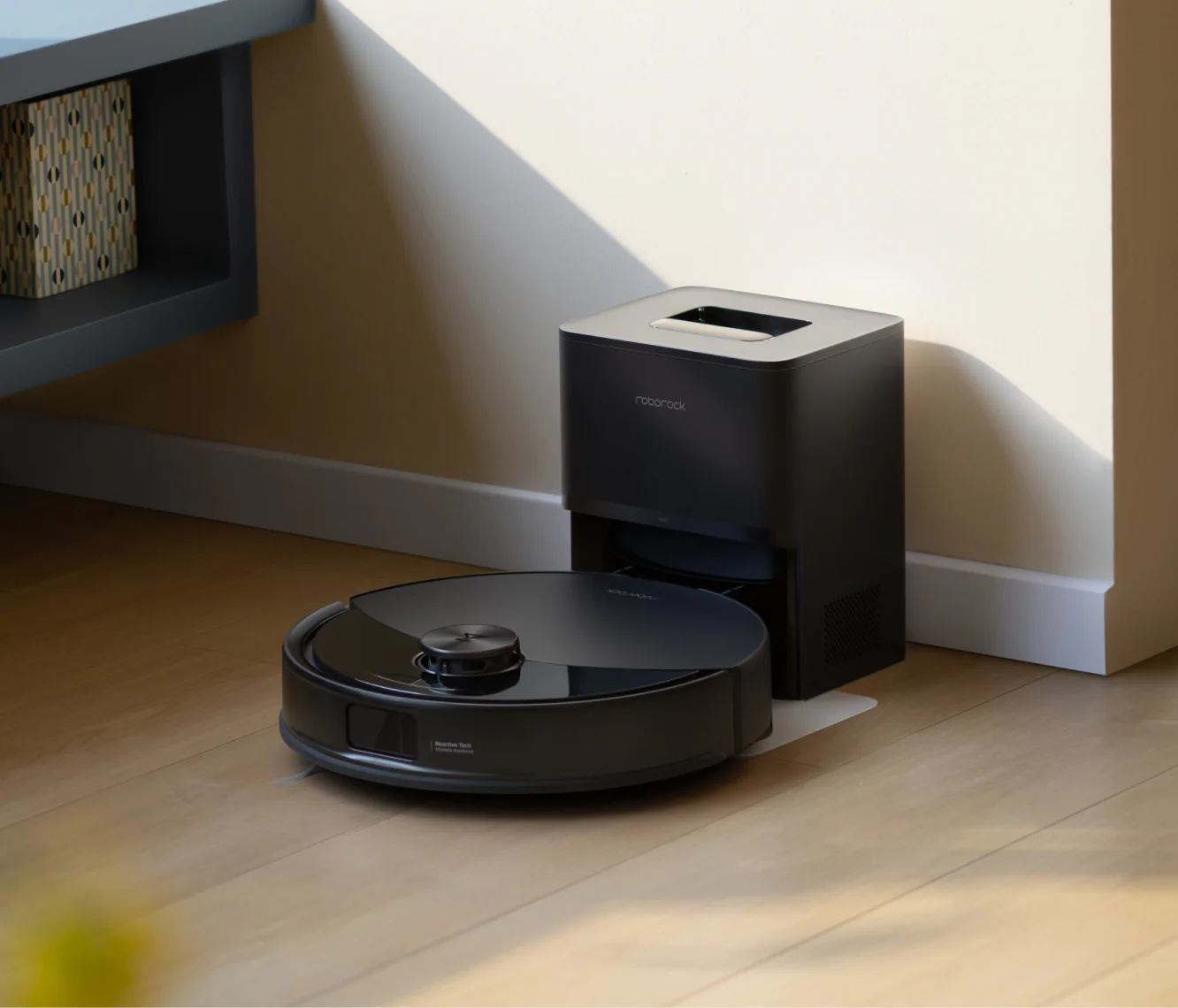
Why a Robot Vacuum is a Game-Changer for RV Life
You might be thinking, “Is a robot vacuum really necessary in such a small space?” It’s a fair question. But an RV isn’t just a small space; it’s a concentrated living space. Every square inch counts, and dirt gets tracked into that concentrated space constantly.
Here’s why a smart vacuum is a brilliant investment for RVers:
- Constant Cleanliness: It tackles daily dust, pet hair, and tracked-in debris automatically. You come back from a hike to a clean floor, every time.
- Reclaim Your Time: Spend less time with a dustpan and more time planning your next stop or simply relaxing.
- Gets Where You Can’t: Its low profile allows it to clean under dinettes, beds, and cabinets—areas that are a real pain to reach with a traditional vacuum.
- Saves Precious Space: A compact robot vacuum and its small charging dock take up far less storage space than a bulky stick or canister vacuum.
Key Features in a Portable Robot Vacuum for RV Living
Choosing a portable robot vacuum for RV living requires a different mindset than choosing one for a stationary house. Here are the non-negotiable features you need to prioritize.
Size, Profile, and Portability
This is paramount. In an RV, every inch is valuable real estate. Look for a model with a small footprint and, just as importantly, a compact charging base. A low-profile design (under 3.5 inches or 9 cm tall) is crucial for it to navigate under the tight clearances of RV furniture. It should be lightweight enough to easily move or store if needed.
Serious Suction Power
Don’t let the small size fool you; you need a powerhouse. RV floors face a unique onslaught of debris—fine dust, coarse sand, gravel, leaves, and the ever-present pet hair. Suction power, measured in Pascals (Pa), is key. For RV life, aim for a model with at least 2500 Pa to effectively lift embedded dirt from low-pile carpets and crevices in your hard flooring. Think of it like trying to drink a thick milkshake: a weak straw won’t cut it, and a weak vacuum won’t lift heavy sand.
Smart Navigation: No Time for Bumper Bots
In a confined and often cluttered RV layout, a “dumb” robot that just bumps around randomly will be a constant source of frustration. You need intelligent navigation.
- LiDAR (Light Detection and Ranging): This is the gold standard. A spinning laser on top of the robot creates a hyper-accurate map of your RV. This allows for methodical, efficient cleaning in straight lines and the ability to set precise no-go zones (like around your pet’s water bowl or a tangle of charging cables).
- VSLAM (Visual Simultaneous Localization and Mapping): These robots use a camera to “see” and map the room. They are generally more affordable and have a lower profile since they don’t have the LiDAR turret. While very effective, they can struggle in low-light conditions.
For the complex layout of a motorhome, LiDAR is typically the superior choice for preventing the robot from getting stuck or missing entire sections.
Battery Life and Power Considerations
When you’re boondocking or relying on limited shore power, energy efficiency is a big deal. Look for a robot with a solid runtime—at least 90-120 minutes on a single charge. More importantly, check for a “recharge and resume” feature. This means if the battery runs low before finishing the job, it will return to its base, charge up, and then go back to finish right where it left off.
Expert Insight: According to robotics engineer Dr. Evelyn Reed, “For off-grid applications like RVs, the standby power consumption of the charging dock is also a factor. A well-designed, energy-efficient robot vacuum minimizes its draw on your battery bank when it’s not actively cleaning, which is a small but critical detail for long-term power management.”
|
Our Picks for the Best Robot Vacuum in 2026
As an Amazon Associate, we earn from qualifying purchases.
|
||
| Num | Product | Action |
|---|---|---|
| 1 | Shark AV2501S AI Ultra Robot Vacuum, with Matrix Clean, Home Mapping, 30-Day Capacity HEPA Bagless Self Empty Base, Perfect for Pet Hair, Wifi, Dark Grey |

|
| 2 | Shark Robot Vacuum & Mop Combo, Powerful Suction, Matrix Plus, 60-Day Debris Capacity, HEPA Bagless Self Empty Base, Sonic Mopping, Home Mapping for Pet Hair - Carpets & Hardfloor, AV2610WA |
|
| 3 | Shark AV753 ION Robot Vacuum, Tri-Brush System, Wifi Connected, 120 Min Runtime, Works with Alexa, Multi Surface Cleaning, Grey |
|
| 4 | ILIFE A30 Pro Robot Vacuum and Mop, Self Emptying Station for 60 Days, 5000Pa Suction, LiDAR Navigation, No-Go Zones, 2.4G WiFi/App/Alexa/Remote Control, Roller Brush for Carpet, Hard Floors, 110V |
|
| 5 | Shark Matrix Plus 2in1 Robot Vacuum & Mop with Sonic Mopping, Matrix Clean, Home Mapping, HEPA Bagless Self Empty Base, CleanEdge, for Pet Hair, WiFi, Compatible with Alexa, Black/Gold (AV2613WA) |
|
| 6 | Tikom Robot Vacuum and Mop Combo, 5000Pa Robotic Vacuum Cleaner, 150 Min Max, App & Remote Control, Ideal for Hard Floor, Carpet, Pet Hair, Self-Charge(G8000 Max) |
|
| 7 | ILIFE V2 Robot Vacuum Cleaner, Tangle-Free Suction, 120 Mins Runtime, Slim, Self-Charging Robotic Vacuum Cleaner, Ideal for Pet Hair and Hard Floors |
|
| 8 | Shark AV2501S AI Ultra Robot Vacuum, with Matrix Clean, Home Mapping, 30-Day Capacity HEPA Bagless Self Empty Base, Perfect for Pet Hair, Wifi, Dark Grey |
|
| 9 | MONSGA Robot Vacuum and Mop Combo, 5000Pa Robotic Vacuum with 3.5L Self Emptying Station, Lidar Navigation Robot Vacuum Cleaner, 180mins Runtime, APP/Remote/Voice Control, for Hard Floors and Carpets |
|
| 10 | ILIFE V2 Robot Vacuum Cleaner, Tangle-Free Suction, 120 Mins Runtime, Slim, Self-Charging Robotic Vacuum Cleaner, Ideal for Pet Hair and Hard Floors |
|
How to Choose the Right Model for Your Rig
Ready to pick your perfect cleaning partner? Follow these steps to narrow down the options for your specific portable robot vacuum for RV living.
- Assess Your Floor Plan and Size: Measure the actual cleanable floor space in your RV. Most robots can handle the square footage, but a complex layout with slide-outs, tight corners, and multiple levels (steps) will benefit greatly from advanced LiDAR mapping to avoid tumbles and getting lost.
- Consider Your Flooring: Do you have a mix of vinyl, laminate, and low-pile carpet? Most modern robot vacuums can handle these transitions seamlessly. Look for models with auto-boost technology, which automatically increases suction power when it detects carpet.
- Factor in a Furry Co-Pilot: If you travel with pets, a robot vacuum isn’t a luxury; it’s a sanity-saver. Prioritize models with high suction power and a tangle-free brush design (often made of rubber instead of bristles) to handle shedding without constant clogs.
- Connectivity: Wi-Fi vs. Remote Control: Many smart features rely on a stable Wi-Fi connection. If you’re often off-grid, this can be a problem. Look for models that can still operate effectively with a physical remote control or have a simple “clean” button on the unit itself for basic operation without an internet connection.
Robot Vacuums vs. Traditional Cleaning in an RV
How does a robot stack up against the old broom and dustpan or a bulky stick vac?
| Feature | Robot Vacuum | Traditional Methods (Broom/Stick Vac) |
|---|---|---|
| Effort | Fully automated, set-and-forget | Manual labor required |
| Consistency | Cleans daily on a schedule | Relies on your energy and availability |
| Reach | Cleans under furniture and tight spots | Difficult to reach under beds and dinettes |
| Storage | Very compact, small dock | Can be bulky and awkward to store |
| Filtration | High-efficiency filters trap allergens | Brooms can kick dust into the air |
| Power | Uses stored battery power efficiently | May require direct AC power |
Tips for Maximizing Your RV Robot Vacuum
To get the most out of your portable robot vacuum for RV living, a little prep goes a long way.
- Prep the Space: Before a cleaning run, do a quick 30-second pickup of charging cords, shoes, and pet toys. This prevents your robot from getting stuck.
- Use No-Go Zones: Take advantage of the app’s mapping feature to draw virtual walls around areas you want the robot to avoid, like the entryway mat that’s always damp or the area by the driver’s pedals.
- Secure the Dock: Use strong double-sided tape or Velcro strips to secure the charging base to the floor. The last thing you want is for it to slide around while you’re driving.
- Empty the Bin Regularly: RVs collect a surprising amount of debris. Make it a habit to empty the small dustbin after every one or two cleaning cycles to maintain peak suction performance.
- Clean the Sensors: Once a week, wipe the cliff sensors (on the bottom) and navigation sensors (on the top/front) with a soft, dry cloth. Dust buildup can interfere with its navigation and ability to avoid falls.
Frequently Asked Questions
Can a robot vacuum fall down the RV steps?
No, virtually all modern robot vacuums are equipped with cliff sensors on the underside. These sensors detect drop-offs and will tell the robot to turn around, preventing it from taking a tumble down the stairs to the cockpit or entryway.
Do I need Wi-Fi to use a portable robot vacuum for RV living?
Not always. While Wi-Fi is required for advanced features like scheduling, creating no-go zones, and voice assistant integration, many models can be started, stopped, and sent back to their dock using a physical button on the unit or an included remote control. This is a crucial feature for off-grid travel.
How do they handle the different floor types in an RV?
They handle them very well. Most models are designed to transition smoothly from hard surfaces like vinyl or laminate to low-pile carpets. Models with carpet-boost technology are particularly effective, as they automatically increase suction for a deeper clean on fabric surfaces.
Are robot vacuums too noisy for a small RV space?
Robot vacuums are significantly quieter than traditional upright or stick vacuums. While you’ll hear them running, it’s typically a low hum that you can easily talk or watch TV over. Many models also offer a “Quiet” mode for cleaning when you need less disturbance.
Can they really handle pet hair on RV floors?
Absolutely. This is one of their biggest strengths. Look for a model with strong suction (2500 Pa or more) and a rubber brush roll, which is less prone to hair tangles than traditional bristle brushes. It’s a game-changer for keeping pet fur under control in a small space.
Your Ticket to a Cleaner, Freer RV Experience
Embracing the RV lifestyle is about maximizing your freedom and minimizing your chores. A portable robot vacuum for RV living is a powerful tool in that mission. It’s a small, smart, and hardworking addition to your rig that takes one of the most persistent daily tasks off your plate. By choosing a compact model with powerful suction and intelligent navigation, you’re not just buying a gadget; you’re buying back time—time you can spend exploring, relaxing, and enjoying the incredible journey you’re on.