Imagine coming home to floors that are not just clean, but immaculate. Every single day. No dust bunnies under the couch, no stray pet hair in the corners, and no mopping bucket in sight. This isn’t a futuristic dream; it’s the reality offered by top-tier robotic cleaners. If you’re ready to seriously upgrade your home and reclaim your time, your journey to buy a luxury robot vacuum 2025 model starts right here. But with so many advanced features, navigating this high-end market can feel like deciphering spaceship controls. Don’t worry, I’m here to break it all down for you, just like we’re chatting over a cup of coffee.
What Exactly Makes a Robot Vacuum ‘Luxury’?
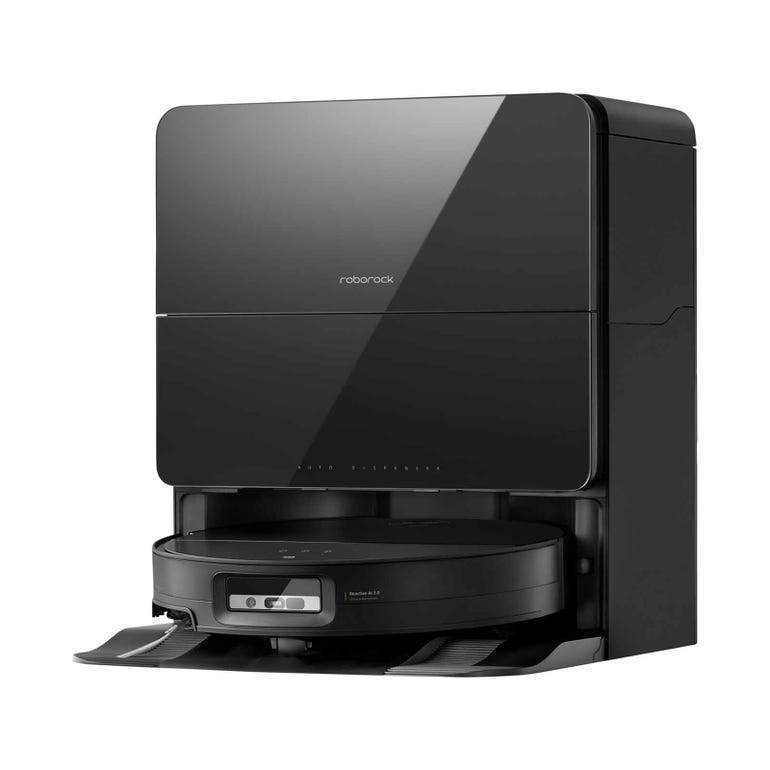
Let’s be honest, you can get a basic robot vacuum for a couple of hundred dollars. So, what are you really paying for when you step into the luxury category? It’s not just better suction. It’s a quantum leap in autonomy, intelligence, and convenience. A luxury model isn’t just a vacuum; it’s a fully automated floor care system.
Think of it this way: a basic robot vacuum is like a flip phone—it does the one job it’s supposed to do. A luxury robot vacuum is the latest flagship smartphone—it’s a powerful, interconnected device that anticipates your needs and simplifies your life.
Here’s what sets them apart:
- True Hands-Off Automation: We’re talking weeks, not days, without you needing to intervene. This is thanks to incredibly sophisticated, all-in-one docking stations.
- Intelligent Navigation: These robots don’t just bump around randomly. They map, they learn, and they strategize like a tiny, four-star general planning a cleaning campaign.
- Powerful, Combined Cleaning: Mopping is no longer a flimsy, damp-cloth-dragging afterthought. Luxury models offer serious mopping performance that can tackle sticky messes and dried-on spills.
- AI-Powered Brains: They can see and identify objects in real-time—like a rogue sock, a charging cable, or a pet’s surprise—and navigate around them intelligently.
How Do These High-End Robots Navigate So Smartly?
Ever wonder how these little discs can map your entire multi-story home with terrifying accuracy? The magic lies in their advanced navigation systems, primarily LiDAR and vSLAM.
A high-end robot vacuum navigates using a combination of lasers, cameras, and advanced algorithms to create a precise map of your home, allowing it to clean efficiently and avoid obstacles.
The Power of LiDAR
LiDAR (Light Detection and Ranging) is the gold standard. A spinning turret on top of the robot shoots out harmless laser beams, measuring the distance to objects and creating an incredibly detailed, 3D map of your space in seconds. It’s the same core technology used in self-driving cars. This allows it to navigate perfectly even in pitch-black darkness. It knows exactly where it is, where it’s been, and the most efficient path to clean the rest of the room.
AI and Camera-Based Navigation (vSLAM)
Another powerful technology is vSLAM (Visual Simultaneous Localization and Mapping). Robots using this tech have a camera that acts as their eye, identifying landmarks in your home—like the leg of a chair or the corner of a rug—to figure out its location. In luxury models, this is supercharged with AI, enabling advanced obstacle avoidance. The robot doesn’t just see an “object”; it recognizes it as a “shoe” or a “power cord” and knows to steer clear.
“The biggest leap in recent years isn’t just navigation, it’s recognition,” explains Dr. Evelyn Reed, a robotics engineer specializing in home automation. “An AI-powered robot that can differentiate between a dust bunny and a dog toy is a robot that you can truly trust to run unsupervised. It’s the key to genuine autonomy.”
Key Features to Consider When You Buy a Luxury Robot Vacuum 2025
When you’re investing in a premium device, the details matter. Here are the non-negotiable features you should be looking for in 2025.
The All-in-One Docking Station: The True Game-Changer
This is, without a doubt, the single biggest reason to go luxury. These incredible base stations are where the magic of automation happens. They aren’t just for charging anymore. A top-tier dock will:
- Self-Empty: After cleaning, the robot returns to the dock, which sucks all the debris from the robot’s small internal bin into a large, sealed bag in the station. You only have to change this bag every 60-90 days.
- Self-Wash Mop Pads: The robot docks, and the station uses clean water to scrub and wash the dirty mop pads, ensuring it’s not just smearing grime around on its next run.
- Self-Dry Mop Pads: After washing, the station uses heated air to dry the mop pads. This is crucial for preventing mildew, bacteria growth, and unpleasant odors.
- Self-Refill: The station automatically refills the robot’s onboard water tank, so it’s always ready for the next mopping task.
Mopping Performance: Not Just an Afterthought
Forget the static, wet pads of older models. Luxury robot vacuums now have active mopping systems that can actually scrub your floors. Look for:
- Sonic Mopping or Vibrating Pads: The mop pad vibrates thousands of times per minute to agitate and break down dried-on stains, much like an electric toothbrush.
- Dual-Spinning Mop Pads: Two pads spin rapidly while pressing down on the floor, mimicking the scrubbing motion you’d use with your own hands.
- Mop Lifting: This is a brilliant feature for homes with mixed flooring. When the robot detects carpet, it automatically lifts its mop pads so it doesn’t get your rugs wet.
Suction Power and Brush Design: The Nitty-Gritty
While intelligence is key, raw power still matters, especially for carpets and pet owners.
- Suction Power (Pa): Look for models with suction ratings of 5,000 Pa or higher. The best 2025 models are pushing 8,000 to 10,000 Pa, ensuring nothing gets left behind, from fine dust to larger debris.
- Brushless Rubber Rollers: Instead of traditional bristle brushes that get tangled with hair, many premium models now use dual, counter-rotating rubber rollers. They are fantastic at agitating carpets and are virtually maintenance-free when it comes to hair tangles—a must-have for pet owners.
AI Obstacle Avoidance: The End of Tangled Cords
This is what separates the truly smart from the merely methodical. A forward-facing camera paired with an AI processor allows the robot to see and identify common household obstacles in real-time. This means no more “rescuing” your robot from a stray phone charger or cleaning up after it has an unfortunate run-in with a pet accident. It simply sees the hazard and navigates around it.
|
Our Picks for the Best Robot Vacuum in 2026
As an Amazon Associate, we earn from qualifying purchases.
|
||
| Num | Product | Action |
|---|---|---|
| 1 | Shark AV753 ION Robot Vacuum, Tri-Brush System, Wifi Connected, 120 Min Runtime, Works with Alexa, Multi Surface Cleaning, Grey |

|
| 2 | Shark AV2501S AI Ultra Robot Vacuum, with Matrix Clean, Home Mapping, 30-Day Capacity HEPA Bagless Self Empty Base, Perfect for Pet Hair, Wifi, Dark Grey |
|
| 3 | ILIFE A30 Pro Robot Vacuum and Mop, Self Emptying Station for 60 Days, 5000Pa Suction, LiDAR Navigation, No-Go Zones, 2.4G WiFi/App/Alexa/Remote Control, Roller Brush for Carpet, Hard Floors, 110V |
|
| 4 | Shark Robot Vacuum & Mop Combo, Powerful Suction, Matrix Plus, 60-Day Debris Capacity, HEPA Bagless Self Empty Base, Sonic Mopping, Home Mapping for Pet Hair - Carpets & Hardfloor, AV2610WA |
|
| 5 | MONSGA Robot Vacuum and Mop Combo, 5000Pa Robotic Vacuum with 3.5L Self Emptying Station, Lidar Navigation Robot Vacuum Cleaner, 180mins Runtime, APP/Remote/Voice Control, for Hard Floors and Carpets |
|
| 6 | ILIFE V2 Robot Vacuum Cleaner, Tangle-Free Suction, 120 Mins Runtime, Slim, Self-Charging Robotic Vacuum Cleaner, Ideal for Pet Hair and Hard Floors |
|
| 7 | Shark AV2501S AI Ultra Robot Vacuum, with Matrix Clean, Home Mapping, 30-Day Capacity HEPA Bagless Self Empty Base, Perfect for Pet Hair, Wifi, Dark Grey |
|
| 8 | Tikom Robot Vacuum and Mop Combo, 5000Pa Robotic Vacuum Cleaner, 150 Min Max, App & Remote Control, Ideal for Hard Floor, Carpet, Pet Hair, Self-Charge(G8000 Max) |
|
| 9 | ILIFE V2 Robot Vacuum Cleaner, Tangle-Free Suction, 120 Mins Runtime, Slim, Self-Charging Robotic Vacuum Cleaner, Ideal for Pet Hair and Hard Floors |
|
| 10 | Shark Matrix Plus 2in1 Robot Vacuum & Mop with Sonic Mopping, Matrix Clean, Home Mapping, HEPA Bagless Self Empty Base, CleanEdge, for Pet Hair, WiFi, Compatible with Alexa, Black/Gold (AV2613WA) |
|
Is a Luxury Robot Vacuum Worth It vs. Traditional Cleaning?
This is the big question. When you compare a $1,500 robot to a $50 mop and a $200 upright vacuum, is it really worth the price? Let’s break it down.
| Feature | Luxury Robot Vacuum | Traditional Cleaning |
|---|---|---|
| Time Investment | Minimal (set schedule, occasional maintenance) | High (hours per week) |
| Consistency | Cleans on a set schedule, every day if you want | Inconsistent, depends on your energy/time |
| Reach | Easily cleans under beds, couches, and furniture | Difficult and physically demanding |
| Air Quality | High-efficiency filters trap allergens and dust | Can kick dust back into the air |
| Convenience | Total. Set it and forget it for weeks at a time. | Zero. It’s a manual chore. |
The value isn’t just in the cleaning; it’s in the time and mental energy you get back. It’s the peace of mind knowing your floors are always guest-ready.
Expert Tips for Maintaining Your Investment
A luxury robot vacuum is a sophisticated piece of technology. To keep it running at peak performance for years, follow this simple checklist:
- Wipe Down Sensors (Monthly): Use a soft, dry cloth to gently wipe the cliff sensors (on the bottom) and navigation sensors (the camera or LiDAR turret).
- Check the Rollers (Monthly): Even with tangle-free designs, it’s good practice to pop the rollers out and check for any wrapped string or debris.
- Clean the Filter (Monthly): Tap the HEPA filter against the side of a trash can to dislodge fine dust. Most should be replaced every 3-6 months.
- Dock Maintenance (Every 2-3 Months): Wipe down the charging contacts on both the robot and the dock. For all-in-one stations, clean the mop washing base to prevent grime buildup.
Frequently Asked Questions
How often does the all-in-one dock need maintenance?
The main task is replacing the dust bag every 2-3 months. You’ll also need to refill the clean water tank and empty the dirty water tank every few days, depending on how often you mop. A quick rinse of the washing tray once a month is also recommended.
Can a luxury robot vacuum completely replace my main vacuum?
For daily and weekly maintenance, absolutely. It will keep your floors cleaner than they’ve ever been on a consistent basis. However, it’s still wise to keep a traditional stick or upright vacuum for deep cleaning upholstery, stairs, or quick spot-cleaning emergencies.
Are these robots good for homes with pets?
They are a game-changer for pet owners. The powerful suction, tangle-free rubber brushes, and AI that can avoid pet toys (and accidents) make them an essential tool for managing pet hair and dander. If you have pets, this is one of the best investments you can make for your home.
How long do luxury robot vacuums last?
With proper maintenance, a high-quality robot vacuum should last for 5 years or more. The battery is often the first component to degrade, but on many premium models, it is replaceable.
What’s the real deal with suction power (Pa)?
While a higher Pascal (Pa) number generally means stronger suction, it’s not the only factor. The effectiveness of the brush design, the quality of the filtration system, and the intelligence of the cleaning path all play a huge role in overall performance. Don’t just chase the highest number; consider the whole package.
Final Thoughts: Is a 2025 Luxury Robot Vacuum for You?
Making the decision to buy a luxury robot vacuum 2025 model is about more than just buying a cleaning gadget. It’s an investment in a smarter, cleaner, and more automated home. It’s about buying back your most valuable asset: your time. The days of spending your weekends tethered to a vacuum cleaner are over.
With features like self-emptying docks, intelligent AI navigation, and powerful mopping systems, these robots offer a level of convenience and performance that was science fiction just a few years ago. If you value a consistently clean home and want to embrace the future of home automation, the answer is a resounding yes. Welcome to the future of clean.